
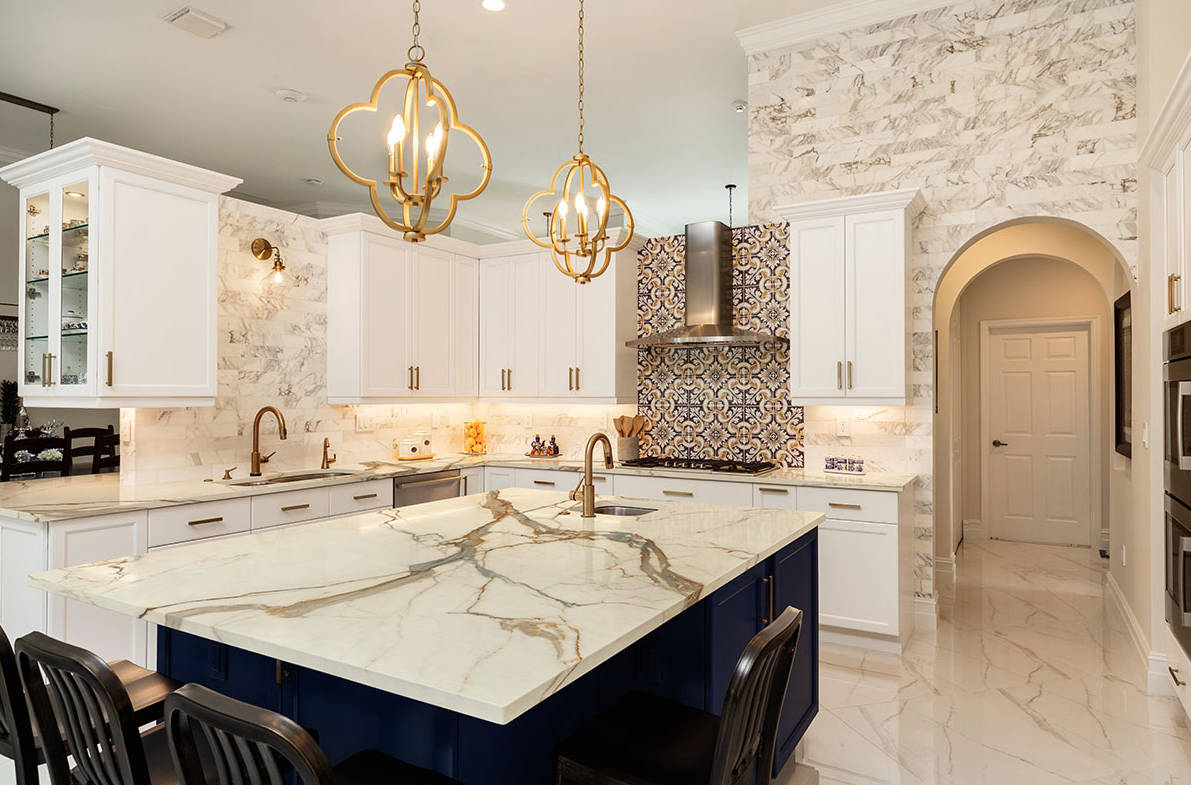
Porcelain countertops are becoming a serious option for homeowners who want a clean, modern, durable surface without constant maintenance. For kitchens, bathrooms, bars, fireplaces, and outdoor spaces across Berks County and surrounding Pennsylvania counties, porcelain can be an excellent choice – but it is not right for every project.
What Are Porcelain Countertops?
Porcelain slabs are made from refined clay and minerals fired at extremely high temperatures. The result is a hard, dense, non-porous surface that can be made to look like marble, concrete, limestone, or other natural stone. Unlike natural stone, porcelain usually does not need sealing, which makes it attractive for homeowners who want a low-maintenance countertop.
Why Homeowners Like Porcelain
The biggest benefit of porcelain is performance. Quality porcelain slabs are known for resisting heat, stains, scratches, moisture, and UV exposure. That makes them useful in busy kitchens and especially interesting for outdoor kitchens or areas with a lot of sunlight.
Porcelain is also very design-friendly. If you love the look of marble but do not want the maintenance of marble, porcelain may give you a similar bright, veined look with easier care. It can also work well in sleek modern kitchens, waterfall islands, full-height backsplashes, fireplace surrounds, bathrooms, laundry rooms, and bar areas.
Another major advantage is cleaning. For most everyday messes, mild soap and water are enough. Since porcelain is non-porous, it does not absorb liquids the way some surfaces can, and it does not require routine sealing like many natural stones.
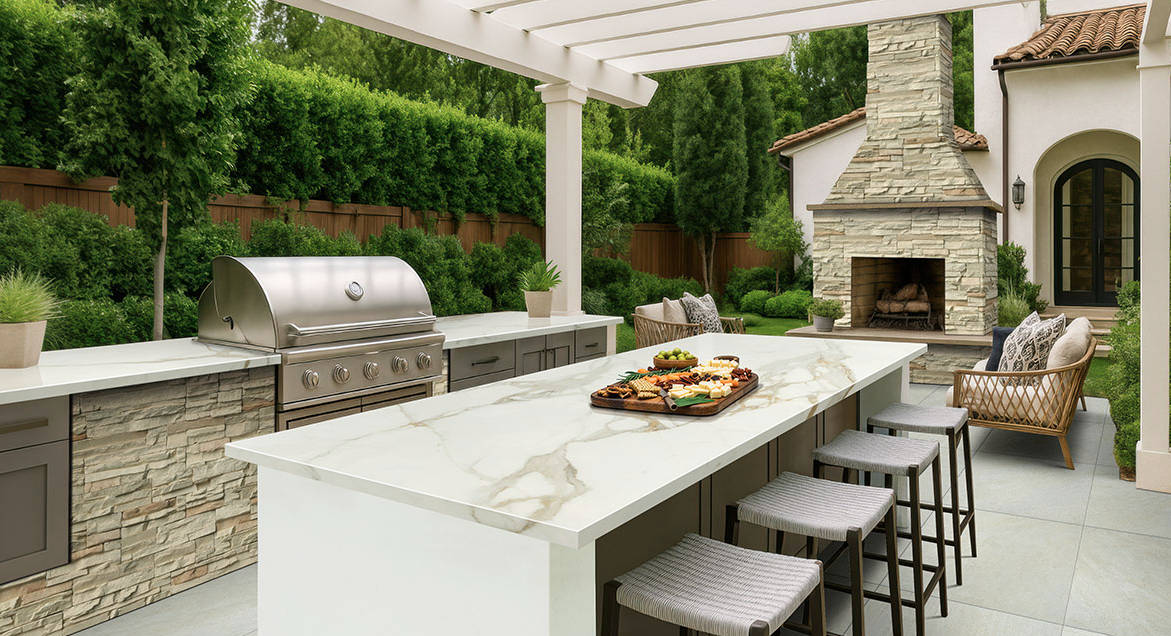
Where Porcelain Works Best
Porcelain makes the most sense for homeowners who want a modern look, low maintenance, and strong stain resistance. It is a strong option for modern kitchens, waterfall islands, full-height backsplash walls, outdoor kitchens and grill areas, bathrooms and vanities, laundry rooms, fireplace surrounds, and commercial-style bars or entertainment spaces.
For homes in Reading, Wyomissing, Berks County, Lancaster County, Lebanon County, Schuylkill County, Chester County, Montgomery County, and Lehigh County, porcelain can be especially appealing when the project needs a surface that looks high-end but stays easy to care for.
The Downsides of Porcelain
Porcelain is strong, but it is not perfect. The edges can be more vulnerable to chipping than the flat surface, especially if the slab is thinner or if heavy objects hit the edge. Because porcelain is a specialized material, fabrication and installation should be handled by an experienced shop with the right equipment and technique.
Another thing to consider is appearance. Some porcelain slabs beautifully mimic marble or natural stone, but they do not always have the same depth, movement, and uniqueness as a true natural slab of granite, marble, or quartzite. If you love one-of-a-kind natural stone, quartzite or granite may feel more authentic.
Porcelain can also have more limited edge profile options depending on thickness and slab style. If you want a very traditional, thick, decorative edge, another material may be a better fit.
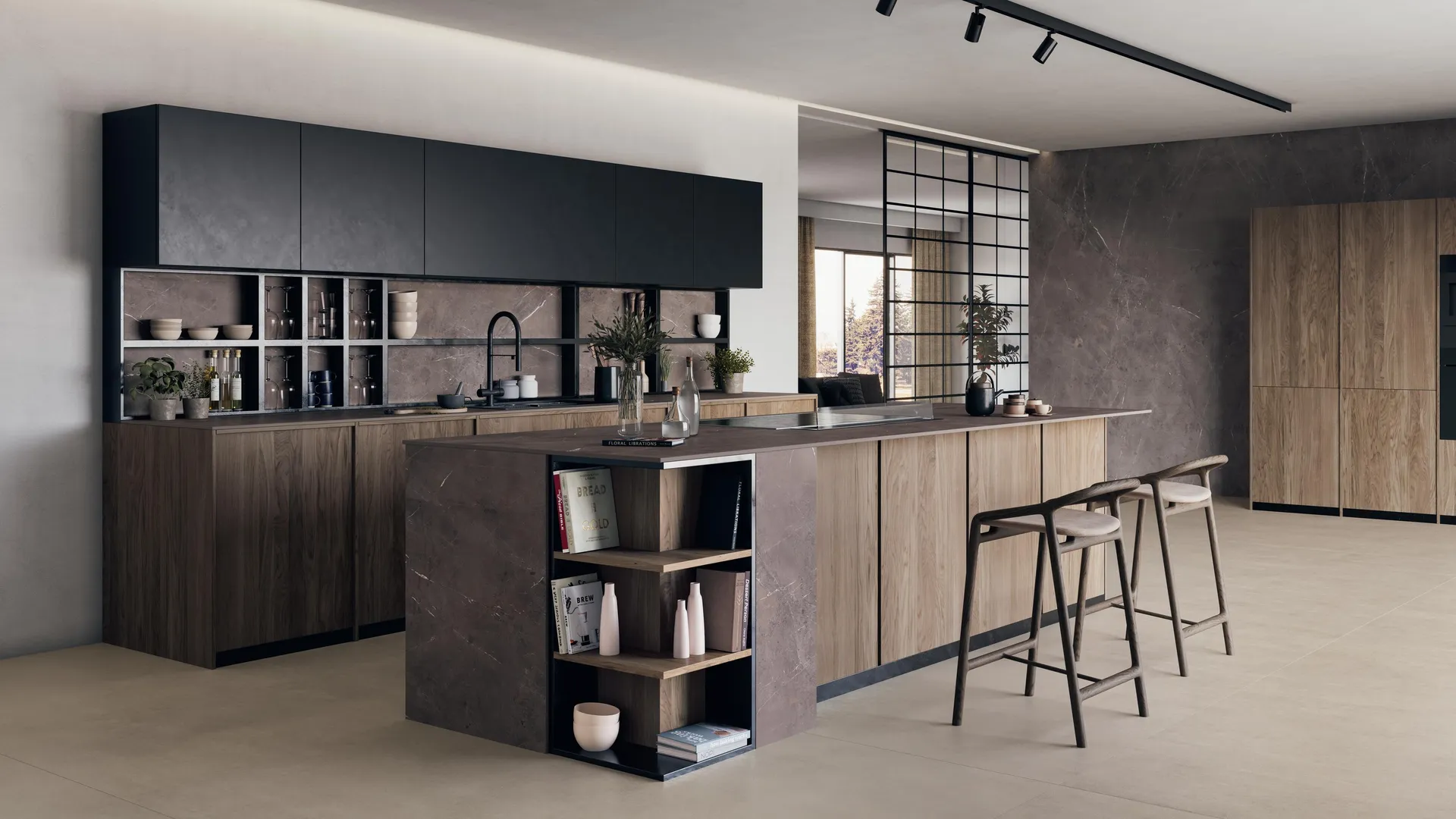
Porcelain vs Quartz vs Quartzite
Porcelain is best for heat resistance, UV resistance, low maintenance, and modern slab designs. Quartz is best for homeowners who want a consistent, easy-care surface with lots of color options. Quartzite is best for homeowners who want natural stone beauty, dramatic veining, and a luxury feel.
The right answer depends on your kitchen, your budget, your style, and how you use the space.
Is Porcelain Worth It?
Yes, porcelain countertops can absolutely be worth it – especially if you want a low-maintenance, heat-resistant, stain-resistant, and modern-looking surface. It is a great choice for many kitchens and one of the better options for outdoor applications.
However, porcelain is not a bargain shortcut. It needs proper fabrication, careful handling, and professional installation. If you are choosing porcelain, choose your fabricator carefully.
Final Recommendation
If you are remodeling in Berks County or nearby counties, porcelain is worth considering if you want a clean, upscale look with easy maintenance. Before deciding, compare porcelain in person against quartz, granite, and quartzite. Small photos online are not enough. Seeing full slabs and samples in real lighting will help you choose confidently.