
Mistakes to avoid when choosing countertops can lead to costly issues if you’re not careful. Choosing new countertops should be exciting. The right stone can completely change the look, function, and value of your kitchen. But because countertops are a permanent design choice, the decision can also feel overwhelming. There are materials to compare, colors to match, samples to view, edges to choose, sinks to coordinate, measurements to confirm, and installers to trust. At Cutting Edge Stone Fabrication, we help homeowners throughout Reading, Wyomissing, Berks County, and surrounding Pennsylvania counties avoid the common mistakes that lead to regret later. A countertop is not just something you pick from a small sample. It has to work with your cabinets, lighting, layout, cooking habits, cleaning expectations, appliances, sink, backsplash, island size, and budget. This guide breaks down the biggest mistakes homeowners make when choosing countertops and how to avoid them before your project starts. Whether you are considering granite, quartz, quartzite, marble, or porcelain, these tips will help you make a smarter decision and protect your investment.
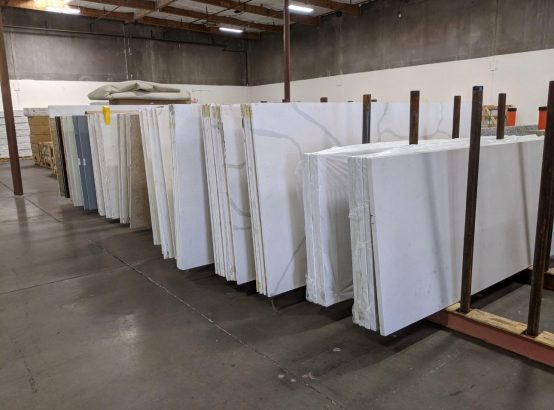
Mistake 1: Choosing From a Small Sample Only
A small sample can help you compare general color, but it cannot show the full movement of a slab. This is especially important with natural stones like granite, quartzite, and marble, where veining and color variation can change dramatically from one section of the slab to another. Even quartz can look different in a full-size piece than it does in a small sample. Large-format veining, warm undertones, background color, and pattern spacing are much easier to understand when you see a bigger piece or a full slab. Lighting in a showroom, a warehouse, and your home can also change how a countertop color appears. The safer move is to use samples as a starting point, then view larger pieces or full slabs before making the final decision. If you are choosing a stone with dramatic veining, movement, or color variation, seeing the full slab is one of the most important steps. Bring a cabinet door, flooring sample, paint swatch, or backsplash sample when visiting the showroom or slab yard. Look at the stone under both warm and cool lighting when possible. Ask how much variation is normal for that material before approving it.
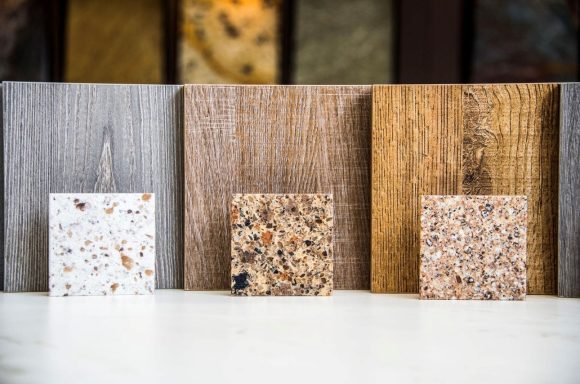
Mistake 2: Picking a Countertop Color Before Considering Cabinets and Lighting
Countertops do not exist by themselves. The same white quartz can look crisp in one kitchen and too cold in another. A beige quartzite can look rich and warm with white oak cabinets but too yellow beside certain painted cabinet colors. Dark stone can feel high-end in a bright kitchen but heavy in a room with limited natural light. Current design trends continue to move toward warm neutrals, natural-looking surfaces, wood tones, quartz, quartzite, and layered textures. But the best color for your kitchen is not just the trendiest color. It is the color that works with your actual cabinets, floors, walls, lighting, and style of home. Before choosing a countertop, think about the full room. Are your cabinets white, off-white, gray, blue, green, walnut, or white oak? Are your floors warm or cool? Do you have natural light, recessed lights, pendant lights, or under-cabinet lighting? All of these details affect the final look. White cabinets often work well with warm white quartz, soft veining, marble-look quartz, black granite, or quartzite. Wood cabinets are often paired beautifully with creamy quartz, Taj Mahal-style quartzite, soapstone-inspired colors, or warm granite. Darker cabinets may need a lighter countertop to keep the kitchen balanced.
Mistake 3: Thinking Every Material Performs the Same
Granite, quartz, quartzite, marble, and porcelain are not the same. They all have strengths and weaknesses. One of the biggest mistakes homeowners make is choosing a material based only on the look, without understanding maintenance and performance. Granite is natural, durable, heat resistant, and unique, but it may need sealing. Quartz is low maintenance and consistent, but quartz manufacturers still recommend protecting it from high heat. Quartzite is natural and beautiful, often with a marble-like look, but it should be sealed and properly cared for. Marble is elegant, but it can etch and stain more easily. Porcelain can be extremely durable and modern, but it requires experienced fabrication and installation. The best material depends on how you live. A busy family kitchen, a rental property, an outdoor kitchen, a luxury island, and a light-use bar area may all need different recommendations. Ask about sealing before choosing natural stone. Ask about heat protection before choosing quartz. Ask about edge durability, chip risk, and repair options for your specific material.
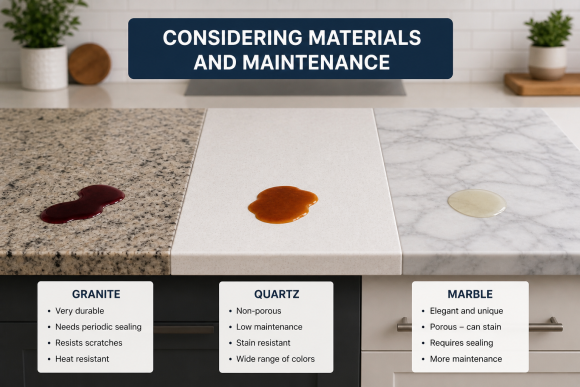
Mistake 4: Ignoring Maintenance Expectations
A countertop may look perfect on day one, but you also need to know how it will live over time. If you want the lowest maintenance choice possible, quartz may be a strong fit. If you love natural stone and do not mind sealing when needed, granite or quartzite may be perfect. If you want marble, you should understand that patina, etching, and natural wear are part of the material. Maintenance is not only about sealing. It also includes daily cleaning, avoiding harsh chemicals, using cutting boards, trivets, and wiping spills promptly. Even highly durable materials can be damaged by the wrong cleaner or by assuming they are indestructible. A good fabricator should be honest about care requirements. The goal is not to scare you away from a certain material. The goal is to make sure you choose something you will still love years from now. Do not use abrasive pads or harsh cleaners unless the manufacturer approves them. Use trivets under hot pans, especially on quartz. Use cutting boards even if the surface is scratch resistant.
Mistake 5: Waiting Too Long to Choose the Sink, Faucet, and Appliances
Countertop decisions are tied directly to sinks, faucets, cooktops, ranges, soap dispensers, water dispensers, and other cutouts. If those items are not chosen in time, it can delay the template or fabrication process. For example, apron-front or farmhouse sinks often need to be installed or properly set before templating. Cooktop templates are usually needed so the countertop can be cut correctly. Faucet hole location matters. Appliance specs matter. These details should not be left until the last minute. Before template day, make sure your fabricator has the correct information for every cutout. This helps prevent delays, mistakes, and unnecessary changes. Have the sink model selected before template. Have faucet and accessory hole information ready. Have appliance specs or templates available when required.
Mistake 6: Not Thinking About Seams Until It Is Too Late
Seams are a normal part of many countertop projects. The goal is not always to avoid seams completely. The goal is to plan them intelligently. Seam placement depends on slab size, layout, material, cabinet support, access into the home, and what areas of the kitchen will be most visible. A poorly planned seam can land in the wrong visual area, interrupt a strong vein, or make the layout feel less polished. A better seam plan considers the stone pattern, the island, the sink, the cooktop, corners, and installation access. Natural Stone Institute resources include technical categories such as seam placement, joint widths, tolerances, supports, and overhangs because these details matter. When choosing countertops, ask how seams will be handled before final approval. Ask where seams are likely to be. Ask whether veining can be matched or blended where possible. Do not choose a dramatic stone without discussing seam placement.
Mistake 7: Forgetting About Overhangs, Support, and Island Use
Many homeowners dream about a large island with seating. That can be a beautiful feature, but it must be designed correctly. Overhangs need proper support based on material, thickness, layout, and how the space will be used. If you want seating, think about how many stools you want, whether people will sit there daily, and whether children may lean or climb on the overhang. The countertop is strong, but unsupported stone has limits. Support brackets, corbels, steel supports, or cabinet structure may be needed depending on the design. This is not a place to guess. Proper support protects the stone, the cabinets, and the people using the kitchen. Discuss overhangs during the design stage, not after fabrication. Ask what support is recommended for your island. Do not assume every material can be cantilevered the same way.
Mistake 8: Choosing an Edge Profile Only by Looks
Edge profile affects both style and daily use. A simple eased edge is clean, timeless, and works in most kitchens. A more decorative edge may fit a traditional home. A thicker mitered edge can create a luxury look, especially on islands, but it must be fabricated well. Edges and corners can also be more vulnerable to chips, depending on the material and profile. Rounded or softened edges are often more forgiving in busy kitchens. Sharp-looking modern edges can be beautiful, but they may not be ideal for every household. The right edge should match the design of your kitchen, the material you choose, and the way your family uses the space. Ask to see edge samples in person. Consider durability, not just appearance. Use a more practical edge in high-traffic kitchens.
Mistake 9: Shopping on Price Alone
Everyone wants a fair price. But countertops are not a product where the lowest number always gives the best result. The outcome depends on material quality, measurement, templating, fabrication, seam planning, polishing, installation, communication, and service after the job. A cheaper quote can become expensive if it leads to poor seams, weak support, wrong expectations, delays, or a material that does not fit your lifestyle. The goal should be value: the right stone, fabricated correctly, installed properly, and backed by a company that communicates clearly. When comparing quotes, make sure you understand what is included. Ask about sink cutouts, edge profiles, removal, template, installation, backsplash, seams, supports, and any other project-specific details. Compare the scope, not just the total. Ask what is included and what is not. Choose the company that gives you confidence, not just the lowest price.
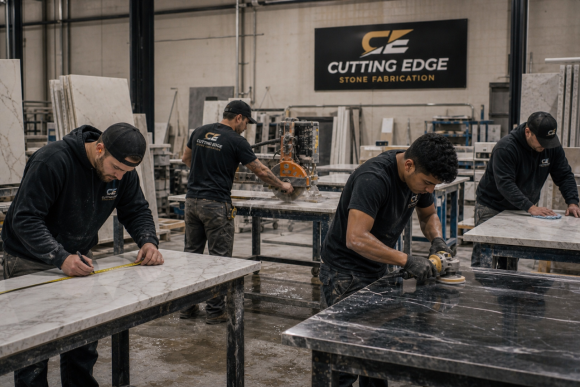
Mistake 10: Not Choosing the Fabricator Carefully
The fabricator matters as much as the material. A beautiful slab can still look disappointing if the seams, cutouts, layout, polishing, or installation are not handled correctly. A strong fabricator helps guide the entire process from material selection to final install. Look for a company that can explain the process clearly, answer your questions, help with material selection, discuss seam placement, review support needs, and communicate realistic timelines. Local homeowners in Berks County and surrounding counties should also consider whether the company is easy to reach and whether they can see material options in person. At Cutting Edge Stone Fabrication, our goal is to help customers make confident decisions before anything is cut. We would rather slow down during selection than have a customer regret a choice after installation. Ask how the company handles templating and installation. Ask to see examples of completed work. Choose a fabricator who educates you, not one who rushes you.
Quick Countertop Decision Checklist
I have compared materials based on lifestyle, not just appearance. I have seen a larger sample or full slab whenever possible. I have checked the countertop color with my cabinet, floor, and paint colors. I understand the maintenance requirements for my material. My sink, faucet, and appliance information will be ready before template. I have discussed seam placement, overhangs, supports, and edge profiles. I understand what is included in the quote. I feel confident in the fabricator, not just the stone.
Final Thoughts: Choose Countertops with Confidence
The biggest countertop mistakes usually happen when homeowners are rushed, under-informed, or forced to choose from small samples without understanding the full project. The good news is that most of these mistakes are easy to avoid when you work with the right team. For homeowners in Reading, Wyomissing, Berks County, Lancaster County, Lebanon County, Schuylkill County, Chester County, Montgomery County, Lehigh County, and nearby Pennsylvania areas, Cutting Edge Stone Fabrication can help you compare granite, quartz, quartzite, marble, and porcelain options in a way that makes sense for your home. If you are starting a kitchen remodel, send us your layout or sketch, bring in your cabinet and flooring samples, or stop by to look at material options in person. We will help you narrow down the right countertop, avoid costly mistakes, and move forward with confidence.
Ready to choose your countertops?
Send Cutting Edge Stone Fabrication your kitchen sketch, measurements, or inspiration photos for a ballpark quote, or visit the showroom/slab yard to compare materials in person.
FAQs
What is the biggest mistake people make when choosing countertops?
The biggest mistake is choosing based on a small sample or photo without considering the full slab, cabinet color, lighting, material performance, and installation details.
Should I choose quartz or granite?
Quartz is a strong option for low maintenance and consistent colors. Granite is a strong option for natural variation, uniqueness, and heat resistance. The better choice depends on your style, lifestyle, and expectations.
Do I need to pick my sink before countertop templating?
Yes, it is best to have the sink selected before template. Certain sinks and appliances require specific information or installation conditions before measurements can be finalized.
Can I avoid seams completely?
Sometimes, but not always. Seams depend on the slab size, kitchen layout, access, material, and support. The most important thing is smart seam planning.
How do I get started with Cutting Edge Stone Fabrication?
Send a sketch or rough measurements of your layout or stop in to view materials. Cutting Edge can help you compare options and prepare a quote based on your project.